From November 10th to 21st of 2026, SBERG researcher Fernando Carrera Vega participated in COP30 in Belém, Brazil, with a clear purpose: To show that climate governance becomes legitimate and effective only when it is designed from the lived values of communities, not just from negotiated text of “symbolic local participation”.
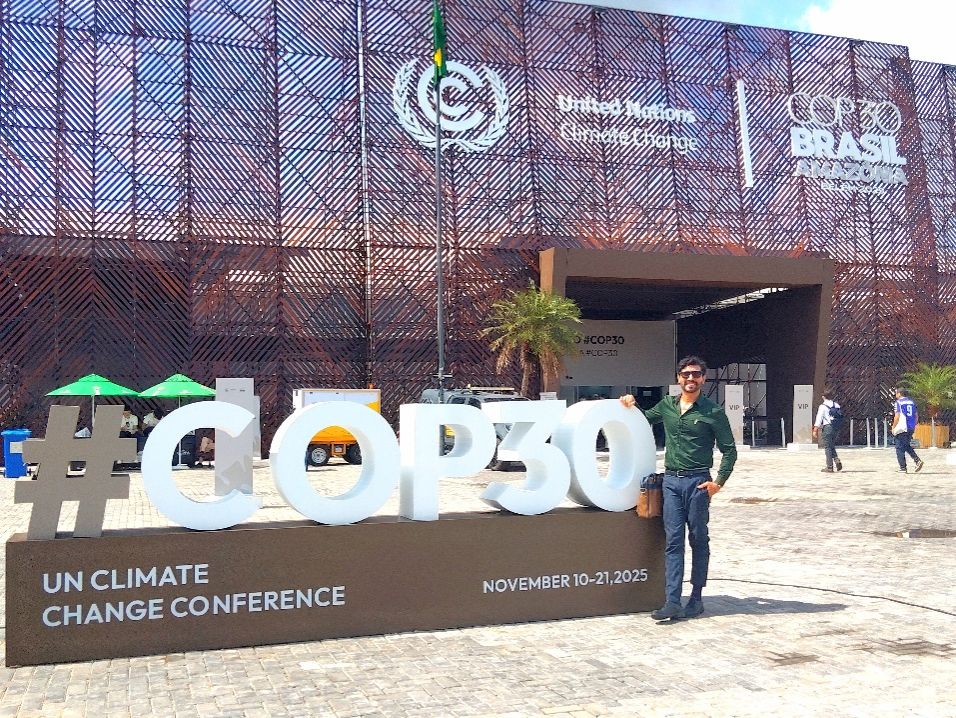
During panel discussions and network meetings with ministries, UN agencies representatives, and international organisations, it was analysed how to;
ØIntroduce values-based governance into high-level programmes
supporting dialogues on how WeValue-based shared-values frameworks can inform National Adaptation Plans.
ØCo-design pathways to embed local values into climate-finance pipelines exploring how climate funds, development banks and national programmes can integrate WeValue outputs directly into project logic, risk registers and eligibility criteria.
ØBridge values, risk management and MRV systems
proposing how WeValue frameworks can be connected to monitoring, reporting and verification (MRV) systems, as well as to recognised risk standards metrics.
Additionally, Fernando participated directly in four occasions at COP30:
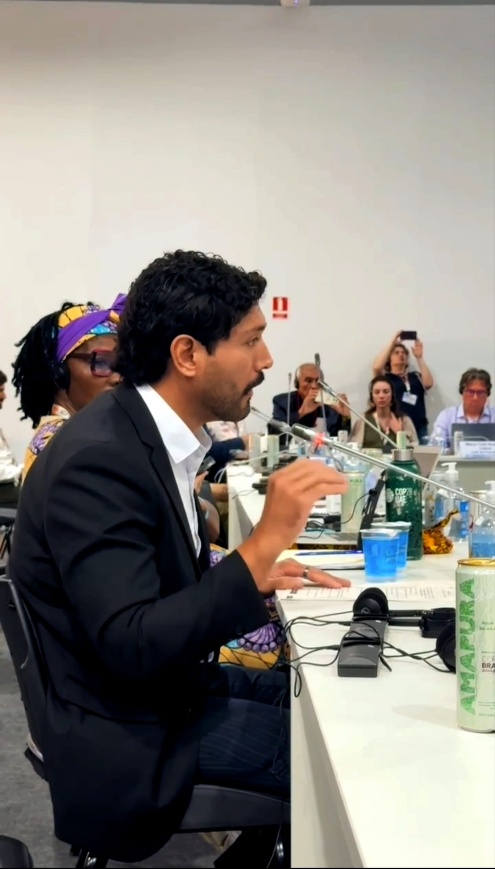
I.High-level consultation within ministerial departments, advising on how WeValue-based indicators can be embedded into national adaptation plans, just transition strategies, and ESG economic frameworks.
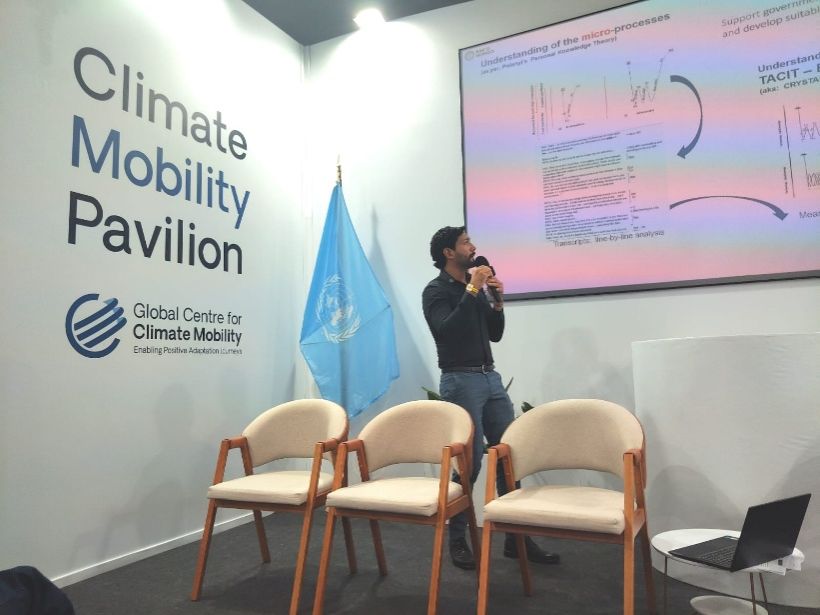
II.Two pavilion presentations at the invitation of global partnerships such as the Global Centre for Climate Mobility (enabled by the UN and the World Bank) and international organisations such as INCLUDE, an independent knowledge platform funded by the Dutch Ministry of Foreign Affairs.
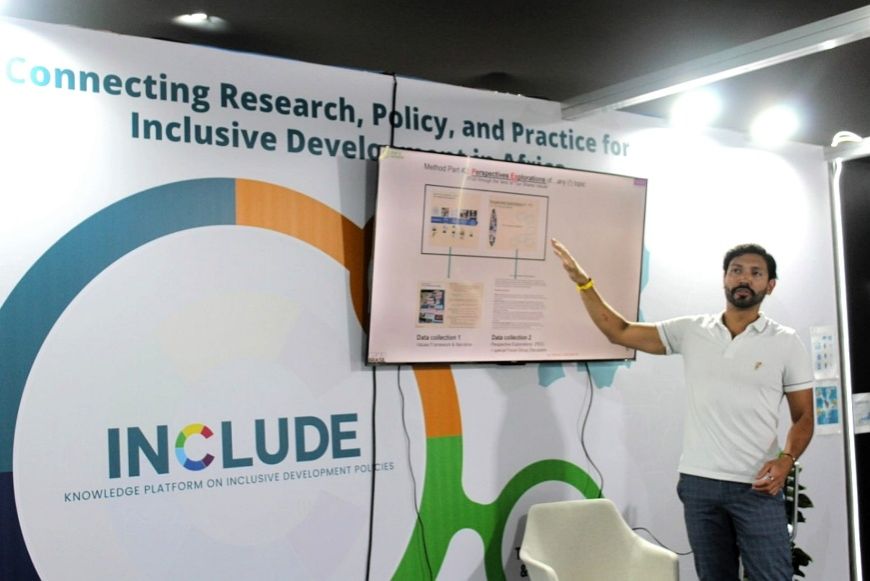
III.Roundtable discussions with NGOs and Global South actors, co-designing ways to align climate finance and MRV systems with local perspectives, so that community priorities shape both the metrics and the money.
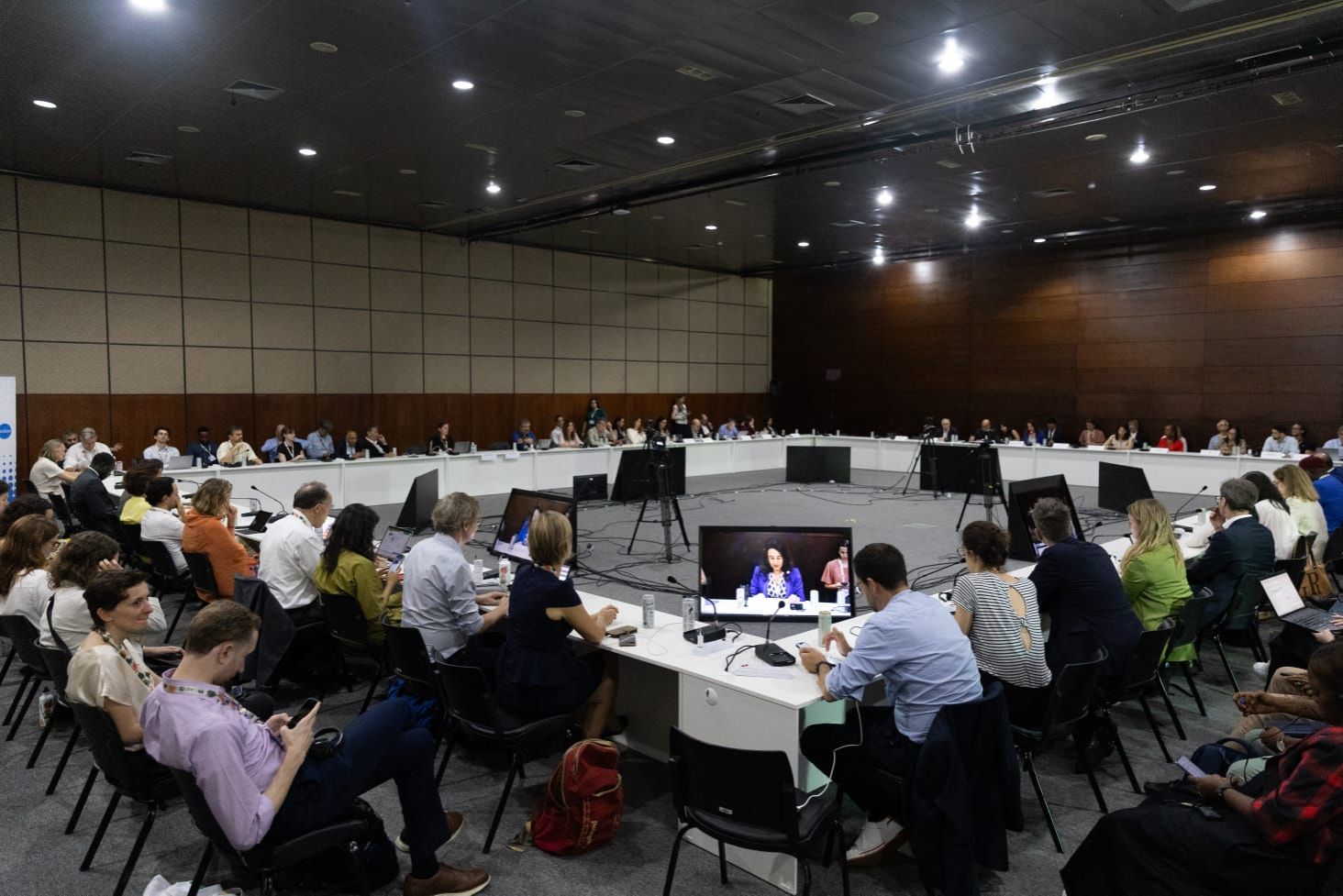
Through these spaces, SBERG’s participation at COP30 made one message clear: global climate negotiations gain real legitimacy only when local values become decision-grade inputs. Fernando’s ongoing work on Global South international cooperation aims to push this frontier further—turning values-first design into a new normal for sustainable development policies.
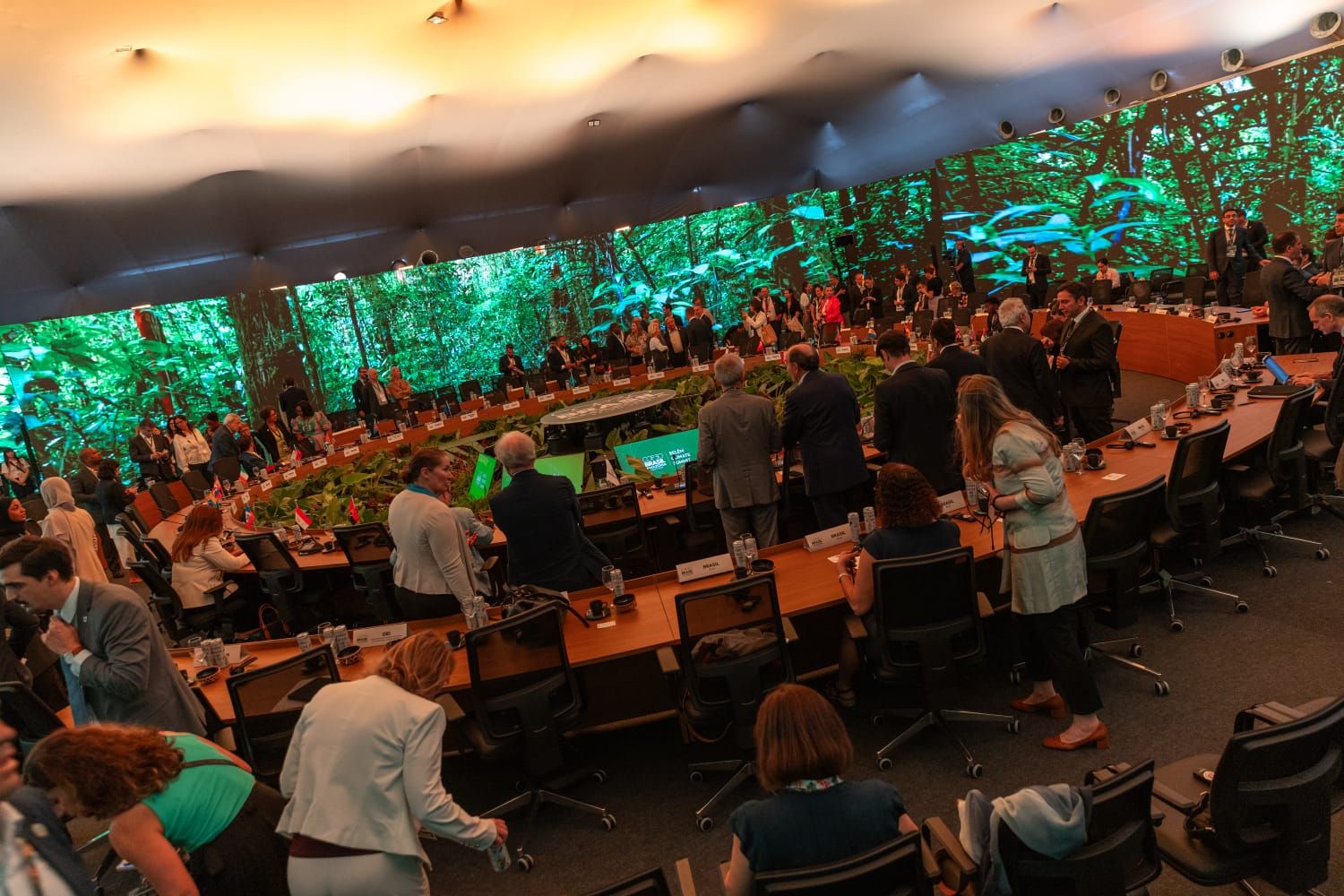
Furthermore, SBERG’s presence at COP30 was strengthened through a promising pathway of South–South academic–policy collaboration. Responding to a joint call with the Brazilian Ministry of Racial Equality and SEBRAE – Brazil’s national institution dedicated to advancing local development among vulnerable communities and small enterprises.
Across a series of focused meetings in Belém, the teams:
·Explored a pilot programme in the Amazon region, using the WeValue approach to crystallise local shared values among communities facing overlapping vulnerabilities (racial inequality, climate risk, and exclusion from formal markets).
·Discussed how WeValue-based indicators could be embedded into SEBRAE and Ministry programmes to guide support for entrepreneurship, climate-resilient livelihoods, and territorial development.
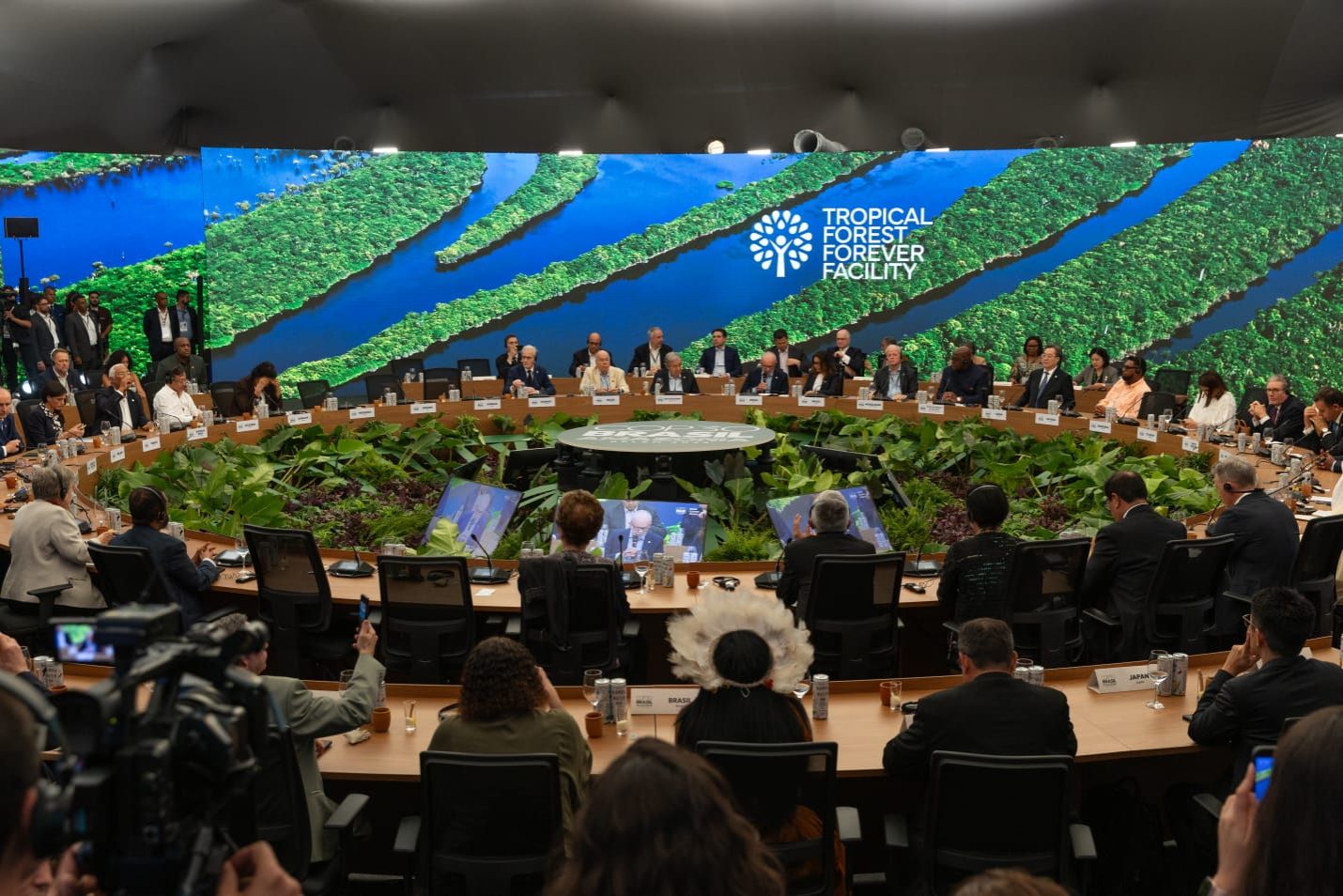
SBERG goal within COP30 was clear: align values with decisions, decisions with results, and results with long-term impact – so that the next cycle of climate negotiations rests on a much stronger foundation of lived reality.